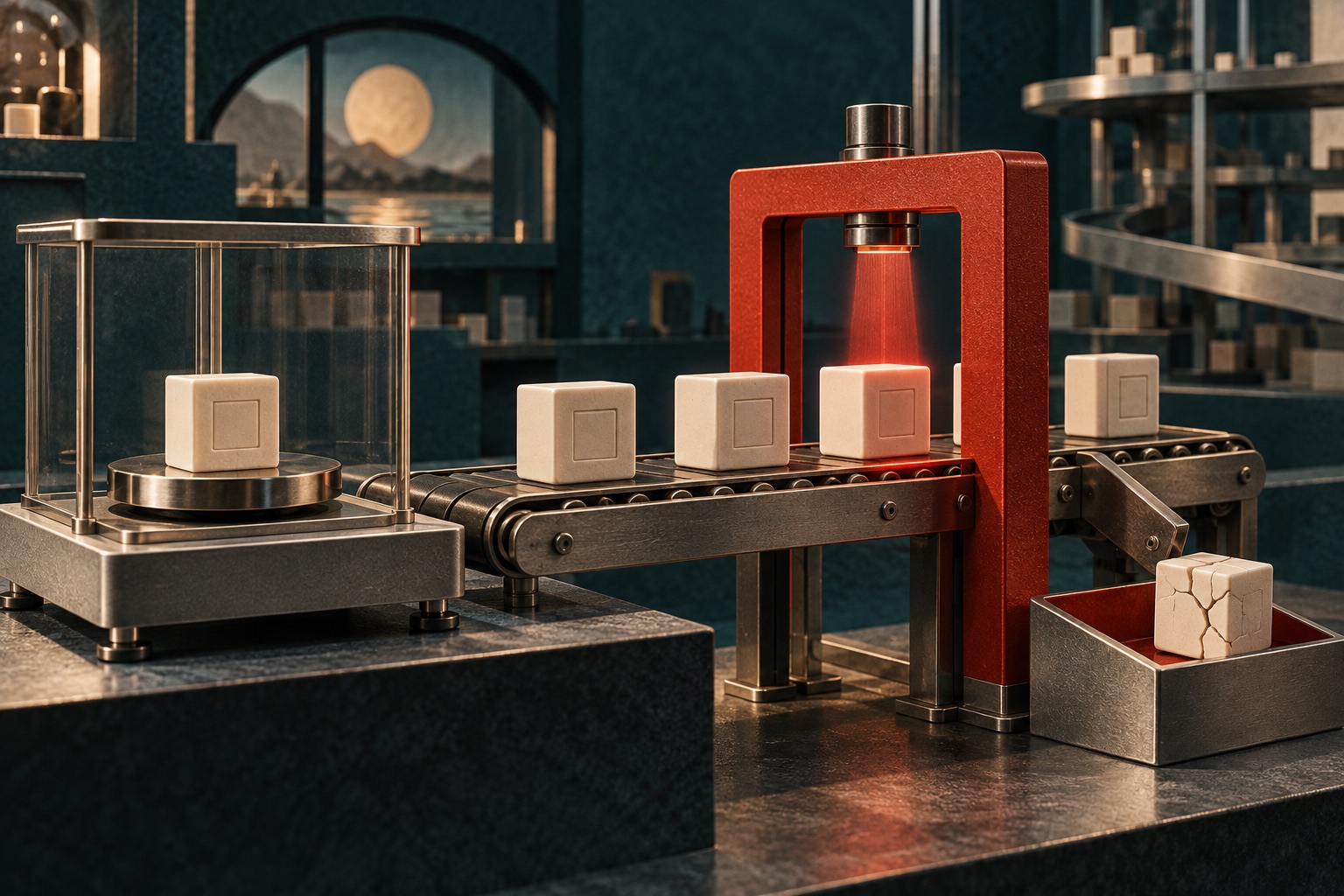
It passed the test. Would you ship it?
A green result can hide a weak experiment. The difficult part is deciding what successful software work actually means.
Read the story ↗Software is learning to make software.
AI can write the code. We’re investigating what it takes to plan the work, check the result, ship it, and keep it running.
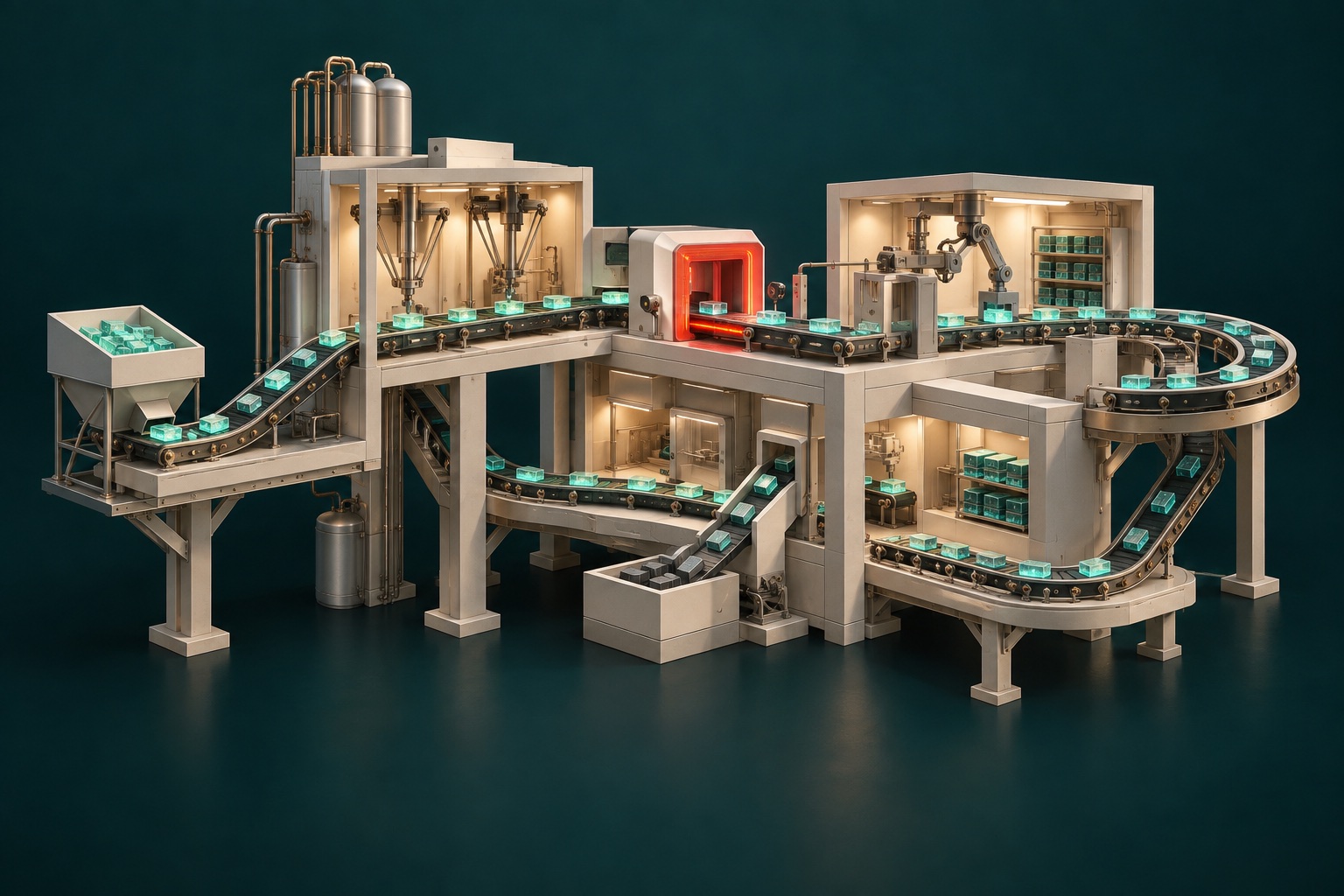
The ambition is an autonomous software factory. The research is about reliability, responsibility, and the work between the impressive moments.
Enter the field notes ↓Architecture
The most consequential part of an AI software factory may be everything surrounding its smartest component.
Read the story ↗A task can pass between several capable agents and still go nowhere. We examine planning, ownership, and the handoffs that turn activity into a release.
02 ↗A passing test is one piece of evidence. Permissions, independent checks, and recovery determine how much responsibility a system can carry.
03 ↗Models change. Costs accumulate. Yesterday’s solution becomes tomorrow’s maintenance. We study what remains useful through that change.
A green result can hide a weak experiment. The difficult part is deciding what successful software work actually means.
Read the story ↗
An autonomous factory needs room to act. Its permissions determine how far a mistaken decision can travel.
Read the story ↗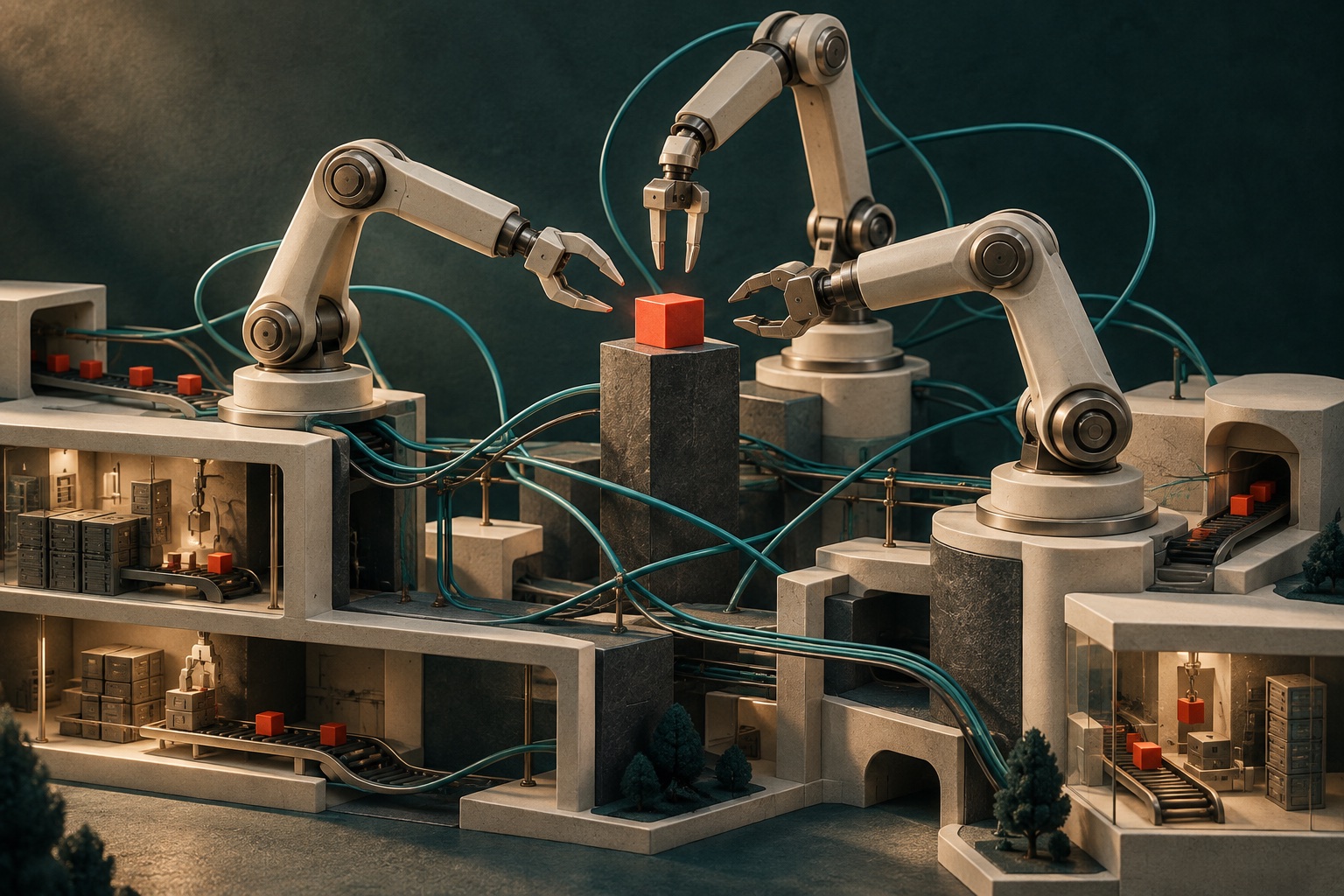
More agents can mean more work completed. They can also mean three versions of the plan and nobody responsible for the release.
Read the story ↗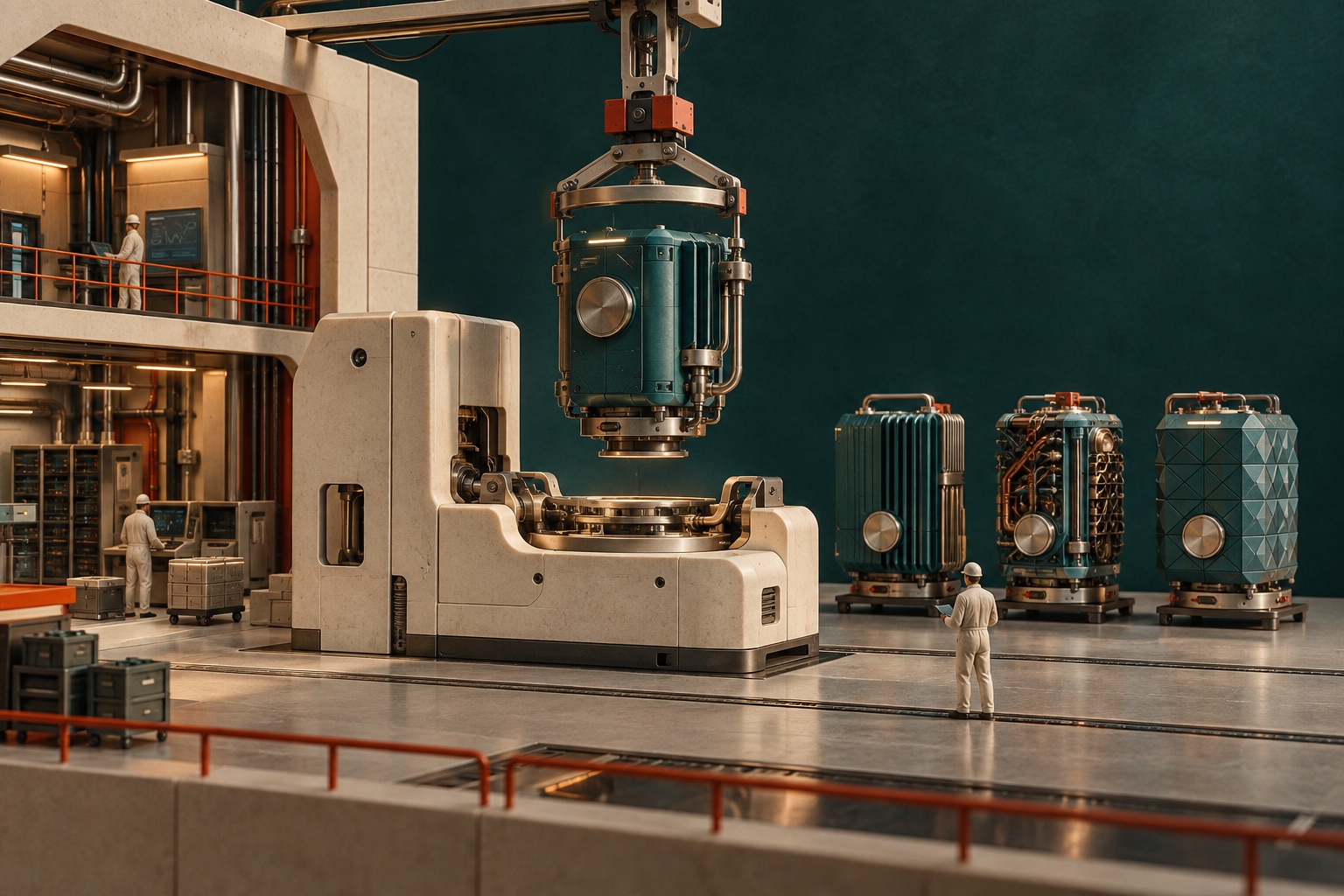
Every model upgrade offers a fresh possibility. A software factory needs a way to tell whether it is actually an improvement.
Read the story ↗Inside the idea
An autonomous software factory connects the whole delivery process. Each step needs a clear result, a limit on what it can change, and a route back when something fails.
Choose a bounded piece of work.
Make a reviewable change.
Test the result independently.
Ship within agreed permissions.
Feed failures and feedback into the next cycle.
Correspondence
Which part of software delivery would an autonomous factory need to prove before it earned your trust? We welcome research questions, counterexamples, and thoughtful disagreement.
Write to the research desk ↗Opens your email application.